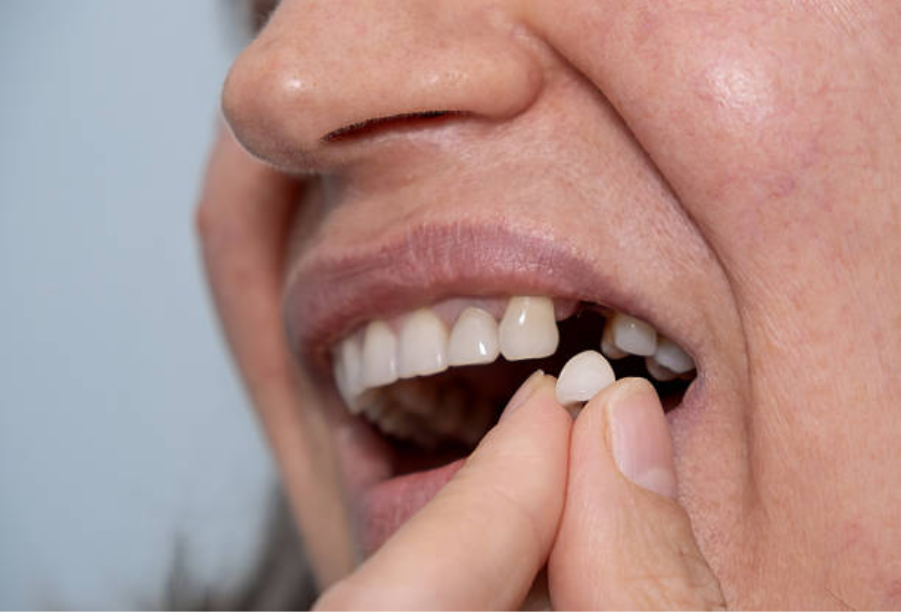
Losing a tooth affects more than the visible part of your smile. Once a tooth is gone, the jawbone that supports its root no longer receives the same stimulation, so the bone can gradually shrink and change shape. Tysons Corner dental implants can help address this issue because an implant replaces the function of a tooth root and can provide stimulation that supports the surrounding bone. G4 Dental Implants can evaluate the condition of your jaw and determine what type of implant treatment may be appropriate.
Why Does the Jawbone Shrink After Tooth Loss?
Your jawbone is living tissue that responds to pressure and stimulation. Natural tooth roots transmit forces into the bone every time you chew. Those forces signal the body to maintain the bone around the roots.
After a tooth is extracted or lost, that stimulation decreases significantly. The body no longer needs to maintain the same amount of bone in that area, so gradual resorption can occur. Bone resorption means the bone becomes narrower or loses some of its height.
The change does not always happen visibly at first. A person may feel completely normal after losing a tooth, while subtle changes are already taking place underneath the gum tissue. Over time, the ridge supporting the missing tooth can become thinner and less pronounced.
This is one reason replacing a missing tooth involves more than filling an empty space. The condition of the underlying bone can affect future treatment, facial support, bite function, and the stability of nearby teeth.
What Does Bone Loss Look and Feel Like?
Jawbone shrinkage can vary considerably from one person to another. Some changes may be difficult to notice without dental imaging, while more advanced bone loss can affect the shape of the gum and surrounding facial structures.
Common signs can include:
- A gum ridge that looks flatter or narrower where a tooth is missing.
- Changes in how nearby teeth meet or fit together when biting.
- A denture that becomes less stable as the supporting ridge changes shape.
Bone loss can also affect neighboring teeth. As the area changes, adjacent teeth may shift toward the empty space. That movement can alter the bite and make cleaning between teeth more difficult.
A dentist can use an oral examination and appropriate imaging to assess the height, width, and density of the available bone. This information helps determine how the missing tooth should be replaced.
Why Does Bone Matter for Dental Implants?
A dental implant is placed into the jawbone and functions as an artificial tooth root. Because the implant relies on the surrounding bone for stability, adequate bone volume is an important part of treatment planning.
Patients with significant bone loss may still have implant options. The treatment plan depends on factors such as the location of the missing tooth, the amount of remaining bone, gum health, overall oral health, and the condition of nearby teeth.
Some patients may need bone grafting before or as part of implant treatment. Bone grafting adds material to an area where bone volume is insufficient. Over time, the graft can provide a foundation for implant placement.
This does not mean every person with bone loss needs a graft. Imaging and an individual examination are necessary to determine the most appropriate path.
Can Dental Implants Help Prevent Further Bone Loss?
Dental implants can help reduce the cycle of bone loss associated with an untreated missing tooth. Once an implant is integrated with the jawbone, chewing forces can be transmitted through the implant into the surrounding bone.
This is different from a traditional removable denture, which rests primarily on the gums, and from a conventional dental bridge, which replaces the visible tooth but does not place an implant into the bone at the missing tooth’s root position.
The goal is not simply to make the missing tooth look replaced. Implant treatment can also help restore chewing function and provide support for the surrounding oral structures.
The result depends on several factors, including bone quality, implant positioning, gum health, oral hygiene, and the overall treatment plan.
What Happens If Bone Loss Has Already Occurred?
Bone loss does not automatically rule out implant treatment. An implant dentist Tysons VA patients can consult may first assess the area using dental imaging to understand how much bone remains.
For some patients, enough bone is still available for implant placement. For others, additional procedures may be recommended to improve the foundation.
The location of the missing tooth also matters. Bone requirements can differ between the upper and lower jaw, and areas near anatomical structures require careful planning. The upper back jaw, for example, may have limited bone because of the nearby sinus.
A thorough evaluation helps the dental team determine the safest placement position and identify any supporting procedures that may be needed.
How Does Tooth Loss Affect Your Face?
The jawbone helps support the soft tissues of the lower face. Significant bone loss can reduce some of that underlying support, particularly when multiple teeth have been missing for an extended period.
Changes may include a less defined area around the lips, altered facial proportions, or a more collapsed appearance around the lower face. These effects are not identical for everyone and depend on the amount and location of bone loss.
Replacing missing teeth can restore dental support, but implant treatment should be planned around oral health and function rather than appearance alone. A well-planned restoration should fit comfortably within the patient’s bite and surrounding anatomy.
What Is the Role of Implant Dentistry?
Implant dentistry Tysons VA treatment involves more than placing an implant into an empty space. Planning may include examination of the gums, evaluation of the remaining teeth, three-dimensional imaging, assessment of bone volume, and consideration of the final restoration.
The position of the implant matters because it needs to support the replacement tooth while fitting within the available bone. Poor positioning can create functional, cleaning, or aesthetic concerns.
G4 Dental Implants approaches implant treatment by considering the complete relationship between the implant, jawbone, gums, bite, and replacement tooth. This type of planning is especially useful for patients who have experienced bone changes after tooth loss.
Can Bone Grow Back Naturally?
Jawbone that has already been lost generally does not return to its original shape simply because a missing tooth is replaced with a removable appliance. The body needs an appropriate stimulus and, in some cases, additional grafting procedures to rebuild deficient areas.
Bone preservation is one reason dentists encourage timely evaluation after tooth loss. The longer a missing tooth remains unreplaced, the more opportunity there may be for changes in the supporting bone.
This does not mean implant treatment must happen immediately after tooth loss. A dentist can assess the area and explain the available options based on the patient’s current condition.
How Are Dental Implants Planned After Bone Shrinkage?
Planning begins with an assessment of the mouth and the missing-tooth area. Dental imaging can show structures that cannot be evaluated through a visual examination alone.
The dentist may consider:
- The amount of available bone around the planned implant site.
- The condition of the gums and neighboring teeth.
- The position of nerves, sinuses, and other anatomical structures.
The final restoration also influences implant placement. The implant must be positioned in a way that supports the replacement tooth and allows the patient to maintain good oral hygiene.
For patients considering dental implants Tysons, a detailed examination can clarify whether existing bone is sufficient or if additional treatment should be considered first.
See also: Understanding Immune Health and How to Support It Naturally
Why Replacing a Missing Tooth Matters
A missing tooth can gradually affect more than appearance. Nearby teeth may shift, chewing patterns can change, and the supporting bone can continue to remodel.
Replacing the tooth can help restore function and maintain a more stable relationship between the teeth and supporting structures. Dental implants in Tysons Corner VA can be one option for patients who want a fixed replacement that includes an artificial root.
Other replacement options may also be appropriate. The right choice depends on the number of missing teeth, oral health, bone condition, personal preferences, and the design of the final restoration.
Protecting the Bone You Still Have
Good oral hygiene remains important after tooth loss and throughout implant treatment. Keeping the gums, healthy helps protect the tissues surrounding the implant and remaining natural teeth.
Regular dental examinations can also identify changes that may not produce obvious symptoms. Patients with missing teeth should pay attention to changes in bite, gum shape, denture fit, or discomfort around the area.
If a tooth has recently been lost, an evaluation can provide useful information about the condition of the underlying bone. If the tooth has been missing for a long time, imaging can help determine how much bone remains and what replacement options may be practical.
A Stronger Foundation Starts With an Evaluation
Bone shrinkage after tooth loss is a natural biological response, but it can affect the way future tooth replacement is planned. Dental implants can provide root-like support and help transmit chewing forces to the jawbone, making them an important option for many people with missing teeth.
For patients considering dental implants in Tysons Corner VA, the first step is understanding the condition of the jaw rather than assuming bone loss makes treatment impossible. A careful examination can reveal the available bone, identify any concerns, and guide the next stage of treatment.
A missing tooth does not have to mean accepting permanent changes without options. G4 Dental Implants can help you understand your oral condition and the replacement approaches suited to your needs. If you have lost a tooth or have noticed changes in the area, Contact Us Today to arrange an evaluation and learn what can be done to protect your smile, bite, and supporting bone.