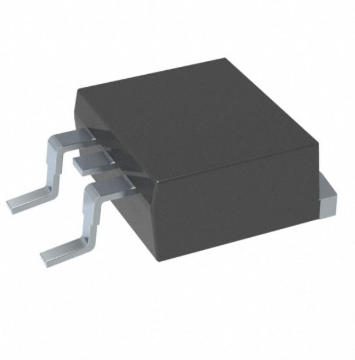
Bypass diodes protect solar PV arrays by preventing hotspot damage caused by partial shading and cell mismatch, making them a direct contributor to long-term system reliability rather than a minor supporting component. Because solar installations are expected to operate for decades with minimal maintenance, the reliability of protective components like bypass diodes has an outsized impact on whether a system meets its projected lifetime performance and avoids costly early failures.
This article focuses specifically on how bypass diodes influence overall system reliability, and what that means for long-term solar project planning.
Reliability Starts With Understanding the Failure Mode Diodes Prevent
Solar panels are wired in series strings, meaning current flow through the entire string is limited by the weakest-performing section at any given moment. When part of a panel is shaded or underperforming, that section can begin absorbing power from the rest of the string instead of generating it — creating a reverse current condition that generates concentrated heat, known as a hotspot.
Left unmanaged, hotspots don’t just reduce output temporarily; they can cause permanent physical damage to solar cells, degrading panel performance over time and, in severe cases, creating fire risk. Bypass diodes exist specifically to intercept this failure mode before it causes lasting damage, which is why their reliability is directly tied to the reliability of the broader system they’re protecting.
See also: Finding the Right Therapist Near Me for Better Mental Wellness
Why This Matters More for Long-Term System Reliability Than It Might Seem
A single bypass diode failure might seem like a minor issue in a large solar installation, but the cumulative effect across a system’s operational lifespan tells a different story. Partial shading from trees, nearby structures, dust accumulation, or even bird activity is common and often unavoidable over decades of operation — meaning bypass diodes will activate repeatedly throughout a system’s life, not just in rare edge cases.
This makes diode reliability under repeated cycling a genuine system-level reliability factor, not just a component-level specification. A diode that performs well in initial testing but degrades faster than expected under real-world, repeated activation conditions can quietly reduce a system’s effective lifespan and energy yield well before more visible component failures would otherwise signal a problem.
Engineering Factors That Directly Affect Reliability
A detailed photovoltaic diodes engineering guide covers the specific technical considerations that influence long-term bypass diode reliability, including thermal performance under sustained fault conditions, reverse recovery characteristics, and current rating margins — all factors that determine how well a diode holds up across years of intermittent, real-world activation rather than short-term lab testing alone.
A few reliability-focused considerations stand out in particular:
Thermal cycling tolerance. Since bypass diodes activate specifically during fault conditions, they experience repeated thermal stress over a system’s lifetime. Diodes with inadequate thermal cycling tolerance are more likely to degrade prematurely.
Current rating margin. Diodes specified with tight margins relative to worst-case bypass current scenarios carry higher long-term failure risk than those specified with appropriate safety margin built in.
Manufacturing consistency. Since a solar array typically contains many bypass diodes across numerous panels, manufacturing consistency across production batches matters significantly — a small percentage of underperforming diodes across a large array can meaningfully affect overall system reliability statistics.
Component Sourcing as a Reliability Strategy
Given how directly diode quality affects long-term system reliability, sourcing decisions deserve the same level of scrutiny typically applied to major system components like inverters, rather than being treated as a minor line item. For engineers and procurement teams evaluating options, reviewing available Goodark diode products provides insight into how diode specifications relevant to solar protection applications are typically categorized, helping match component selection to the specific reliability requirements of a given project.
Reliability Considerations Across Different Installation Environments
Not all solar installations face identical reliability risks from a bypass diode perspective. A few environmental factors change the reliability calculus:
High-temperature climates. Installations in consistently hot environments place additional baseline thermal stress on diodes, making thermal margin an even more important specification consideration.
Areas with frequent partial shading. Installations near trees, buildings, or other obstructions will see more frequent diode activation over time, increasing the importance of cycling reliability specifically.
Utility-scale installations. Given the sheer number of panels and diodes involved, even small differences in per-unit failure rates translate into meaningfully different overall system reliability outcomes at scale.
Final Thoughts
Bypass diodes play a direct role in solar PV system reliability by preventing the hotspot damage that partial shading and cell mismatch can otherwise cause. Because these components activate repeatedly over a system’s multi-decade operational life, their thermal cycling tolerance, current rating margin, and manufacturing consistency deserve the same careful evaluation typically applied to more prominent system components. Treating bypass diode selection as a genuine reliability decision — rather than a minor specification detail — helps protect both system performance and long-term project outcomes.
FAQs
Why are bypass diodes important for solar system reliability specifically? They prevent hotspot damage caused by shading and cell mismatch, and since they activate repeatedly over a system’s operational life, their reliability directly affects long-term system performance.
How often do bypass diodes actually activate in a real solar installation? Given common factors like partial shading from trees, dust, or nearby structures, bypass diodes typically activate repeatedly over a system’s lifespan rather than only in rare situations.
What engineering factors most affect bypass diode reliability? Thermal cycling tolerance, current rating margin, and manufacturing consistency across production batches are key factors influencing how reliably a diode performs over years of intermittent activation.
Does installation environment affect diode reliability requirements? Yes. Hot climates, areas with frequent shading, and large utility-scale installations all present different reliability considerations that should influence diode specification and sourcing decisions.
Should bypass diode sourcing be treated as a minor component decision? No. Given their direct impact on long-term system reliability and energy yield, bypass diode sourcing deserves the same careful evaluation typically applied to major system components like inverters.