Introduction: Moving from Reactive to Proactive Fire Safety
Many fire incidents occur because risks were identified too late or ignored completely. Reactive fire safety focuses on responding after a fire starts, while proactive fire safety aims to stop fires before they happen. A well-structured Fire Risk Assessment is the foundation of this proactive approach.
By identifying hazards early and applying preventive controls, organizations can significantly reduce the likelihood of fire emergencies and improve preparedness if a fire does occur.
What Does Proactive Fire Risk Assessment Mean?
Proactive fire risk assessment focuses on anticipation and prevention.
Key Proactive Principles
- Identifying hazards before incidents
- Monitoring changing conditions
- Acting on early warning signs
- Continuously improving controls
This approach shifts fire safety from paperwork to real-world action.
See also: How AI Powers Smart Technology
Early Identification of Fire Hazards
Early hazard identification prevents escalation.
Common Early Warning Signs
- Overheating equipment
- Frequent electrical trips
- Poor housekeeping
- Blocked exits
Fire risk assessment helps detect these issues before they lead to fire.
Preventing Fire Through Effective Planning
Planning plays a crucial role in prevention.
Fire Prevention Planning Includes
- Safe storage of flammable materials
- Maintenance schedules
- Clear work procedures
- Emergency readiness planning
Fire risk assessment ensures prevention measures are practical and enforced.
Fire Risk Assessment and Workplace Behavior
Human behavior strongly affects fire safety.
Behavior-Related Risks
- Ignoring safety rules
- Unsafe use of equipment
- Delayed reporting of hazards
Proactive assessment addresses behavior through training and supervision.
Managing Fire Risk During Maintenance and Repairs
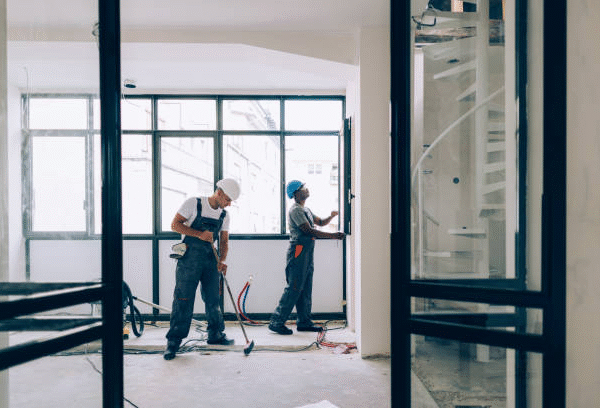
Temporary activities often increase fire risk.
High-Risk Temporary Activities
- Hot work
- Electrical repairs
- Renovation work
Fire risk assessment ensures temporary controls are in place during such activities.
Fire Detection and Early Response
Early detection improves control.
Detection and Response Measures
- Smoke and heat detection
- Manual alarm systems
- Trained first responders
Fire risk assessment confirms systems support early intervention.
Strengthening Emergency Control Measures
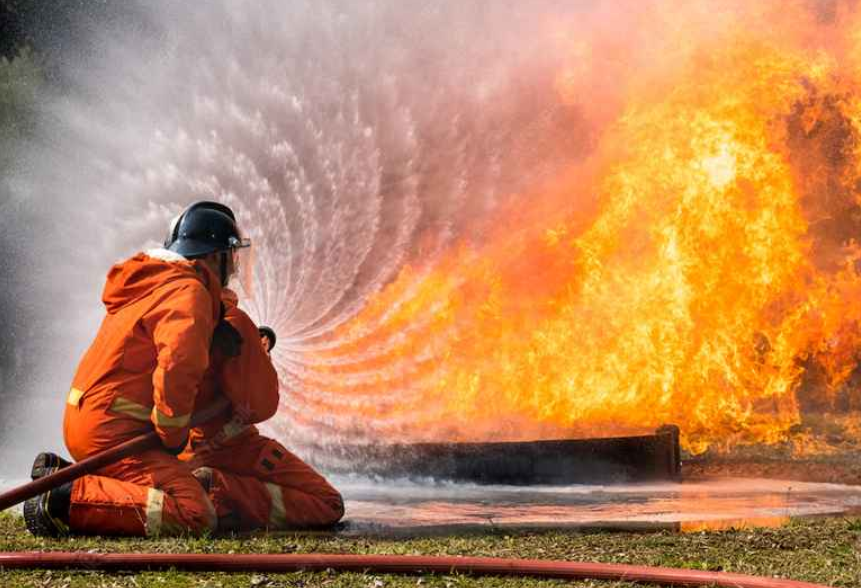
Control measures reduce fire impact.
Emergency Control Elements
- Firefighting equipment
- Compartmentation
- Smoke control systems
Proactive assessment ensures these measures are ready when needed.
Evacuation Readiness and Life Safety
Preparedness saves lives.
Evacuation Readiness Factors
- Clear escape routes
- Emergency lighting
- Trained fire wardens
- Regular drills
Fire risk assessment validates evacuation readiness under realistic conditions.
Protecting Vulnerable and High-Risk Occupants
Some individuals require additional support.
Special Considerations
- Mobility impairments
- Sensory impairments
- Language barriers
Proactive planning improves safety for everyone.
Fire Safety Communication and Awareness
Communication supports quick action.
Effective Communication Methods
- Clear signage
- Induction training
- Regular safety briefings
Fire risk assessment ensures information reaches all occupants.
Monitoring Fire Risk Controls
Controls must be actively monitored.
Monitoring Tools
- Routine inspections
- Maintenance checks
- Incident reporting
Fire risk assessment includes mechanisms to verify control effectiveness.
Reviewing and Improving Fire Safety Measures
Fire risk evolves over time.
Continuous Improvement Triggers
- Changes in layout or use
- New equipment
- Fire incidents or near misses
Proactive review keeps safety measures relevant.
Common Barriers to Proactive Fire Risk Assessment
Understanding barriers helps overcome them.
Typical Barriers
- Complacency
- Time constraints
- Lack of awareness
- Poor leadership
Addressing these barriers strengthens fire safety culture.
FAQs About Fire Risk Assessment
1. What makes fire risk assessment proactive?
Early identification and prevention of hazards.
2. Can proactive assessment reduce emergency response costs?
Yes, prevention lowers damage and recovery costs.
3. Is proactive fire safety legally required?
Yes, most laws expect preventive measures.
4. How does behavior affect fire risk?
Unsafe behavior increases likelihood of ignition.
5. Should temporary risks be assessed separately?
Yes, temporary activities often raise fire risk.
6. How often should proactive assessments be reviewed?
Regularly, and after any significant change.
Conclusion
A proactive Fire Risk Assessment is one of the most effective ways to prevent fire emergencies and protect lives. By identifying hazards early, improving behavior, and strengthening emergency controls, organizations can significantly reduce fire risk.
Fire safety works best when it anticipates problems instead of reacting to disasters—and fire risk assessment makes that possible.