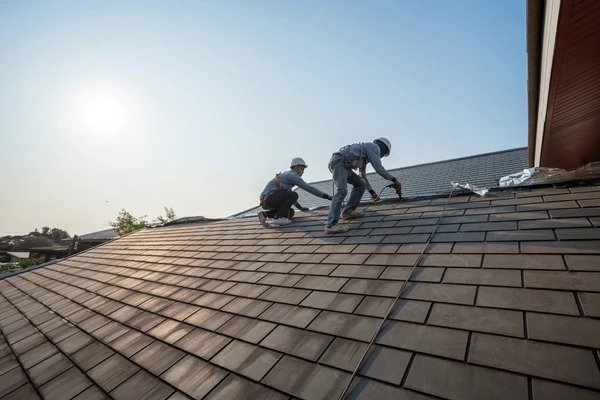
A reliable roof should be able to withstand heavy snowfall, ice buildup, strong winds, temperature fluctuations, and seasonal storms. Choosing durable materials and maintaining the roof properly can help homeowners protect their properties throughout the year.
The Twin Cities and surrounding region experiences a wide range of weather conditions. Winters often bring significant snow accumulation and freezing temperatures, while summers can include heavy rain, hail, and strong winds that place additional stress on roofing systems.
That’s why many homeowners choose professionals like Twin Cities Siding and Roofing for roofing solutions designed to perform well in Minnesota’s unique climate.
A roof that performs well in one region may not provide the same results in another. Climate-specific considerations are important when selecting roofing materials and construction methods.
Durability Against Snow and Ice
Snow and ice are among the biggest challenges facing roofs in the Twin Cities area. Excessive snow loads can place significant weight on roofing structures during the winter months.
Reliable roofs are designed to withstand these conditions without compromising structural integrity. Durable materials and proper installation can help reduce weather-related damage.
Roof systems should also be evaluated regularly following severe winter weather.
Effective Water Drainage
Proper drainage is essential for protecting a roof from moisture-related problems. When water is unable to drain efficiently, leaks and structural damage may occur.
Ice dams can also develop when melting snow refreezes near roof edges. These formations may prevent proper drainage and increase the risk of water intrusion.
A dependable roofing system includes drainage features that help direct water away from the home.
Resistance to Wind and Storm Damage
The Twin Cities region can experience severe storms throughout the year. High winds, hail, and heavy rain may damage roofing materials if they are not designed for local weather conditions.
Impact-resistant and wind-resistant roofing products can help improve long-term performance. Selecting materials that are rated for challenging weather conditions may reduce future repair needs.
Storm resistance is an important factor when evaluating roofing options.
Energy Efficiency Matters
A reliable roof should contribute to overall energy efficiency. Proper insulation and ventilation help maintain indoor temperatures during both hot summers and cold winters.
Energy-efficient roofing systems may help reduce heating and cooling demands. This can improve comfort while potentially lowering utility costs over time.
Many homeowners consider energy performance when planning roof replacements.
See also: Building the Perfect Cookware Collection for Your Home
Compliance With Building Standards
Roofing projects should comply with applicable building requirements and safety standards. Many Minnesota communities adopt versions of the International Residential Code (IRC), which contains requirements related to roof construction and structural performance.
Following local code requirements helps promote safety and long-term durability. Homeowners should verify that roofing work complies with all applicable regulations.
Compliance is an important part of any successful roofing project.
Key Takeaways
- Twin Cities roofs must withstand snow, ice, wind, and storms.
- Durable materials help improve long-term performance.
- Proper drainage reduces moisture-related risks.
- Storm-resistant roofing products can enhance protection.
- Energy efficiency is an important consideration.
- Local building codes affect roofing requirements.
- Routine maintenance helps extend roof lifespan.