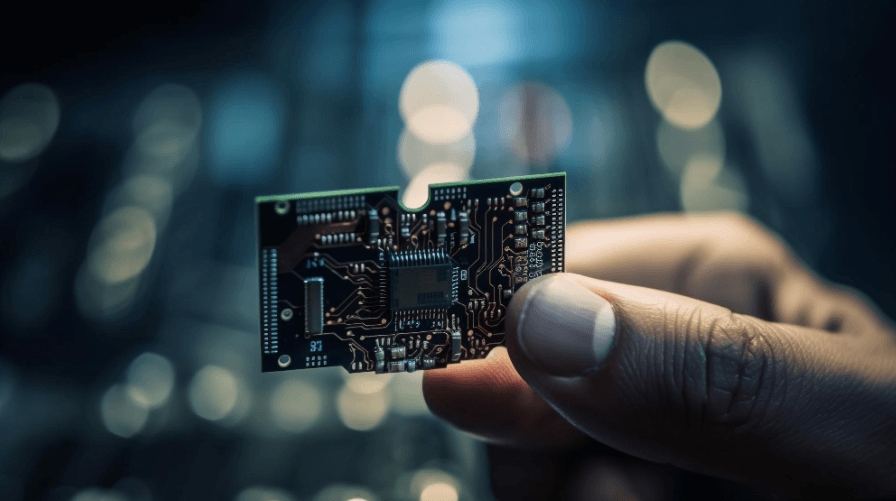
Modern computing is evolving rapidly, and memory technology is becoming one of the most important parts of digital infrastructure. Businesses now depend on advanced systems that can process large amounts of information quickly and efficiently. This growing demand has increased the importance of data center memory solutions for enterprises that rely on cloud computing, virtualization, artificial intelligence, and large-scale data processing. Ram Exchange supports businesses with reliable memory technologies that help modern infrastructure perform more efficiently while preparing for future computing demands.
Understanding the Role of RAM in Modern Systems
Random Access Memory, or RAM, is responsible for temporarily storing data that systems need to access quickly. Every application, process, and workload depends on RAM to operate smoothly. As modern software becomes more demanding, businesses require memory solutions that can support faster performance and improved multitasking.
Today’s enterprise systems handle:
- Cloud-based operations
- Artificial intelligence workloads
- Data analytics
- Virtual machines
- Enterprise applications
- High-performance computing
Why Computing Needs Are Changing
The future of computing is focused on speed, scalability, and efficiency. Organizations are processing more data than ever before, and this shift is placing greater pressure on memory infrastructure.
Artificial Intelligence Is Expanding
AI and machine learning applications require systems that can process large amounts of information simultaneously. Advanced RAM technology helps systems perform these tasks more effectively.
Cloud Computing Continues to Grow
Cloud environments support millions of users and applications worldwide. Better memory architecture allows servers to manage workloads with improved responsiveness.
Enterprise Data Volumes Are Increasing
Businesses now generate massive amounts of operational data every day. Faster memory solutions help systems access and process this information more efficiently.
Virtualization Requires Higher Performance
Virtual environments rely heavily on memory allocation. Modern RAM technology supports smoother virtualization performance across enterprise systems.
The Evolution of RAM Technology
Memory technology has improved significantly over the years. Older generations of RAM supported basic computing tasks, but modern enterprise workloads demand higher bandwidth, better efficiency, and larger capacities. Ram Exchange understands these changing infrastructure demands and continues to support businesses with reliable memory solutions designed for modern enterprise environments.
DDR4 and DDR5 Advancements
Modern DDR4 and DDR5 memory technologies provide several improvements, including:
- Faster data transfer speeds
- Improved multitasking capabilities
- Better energy efficiency
- Higher memory capacities
- Enhanced server performance
How Modern RAM Supports Data Centers
Data centers are the foundation of modern digital operations. They host cloud platforms, enterprise applications, and large-scale infrastructure environments. As digital demand grows, data centers require more advanced memory systems.
Improved Workload Management
Modern RAM allows servers to process multiple workloads simultaneously without significant slowdowns.
Better Virtual Machine Support
High-capacity memory modules improve virtualization performance for enterprise systems.
Reduced Processing Delays
Advanced memory architecture helps systems transfer and access data more efficiently.
Greater Reliability
Enterprise-grade RAM often includes features that improve data accuracy and system stability during continuous operations.
See also: How AI Is Used in Financial Technology
The Rise of Custom Memory Solutions
Every business has different infrastructure requirements. This has increased demand for customized memory solutions that support specific operational goals.
Custom RAM configurations now help support:
- Enterprise servers
- Industrial systems
- Legacy hardware
- AI-driven platforms
- High-density storage environments
- Specialized computing systems
Sustainability in Memory Technology
As technology evolves, businesses are also focusing on sustainability and responsible IT management. Hardware upgrades can create electronic waste if older components are not handled properly.
Modern organizations now prioritize:
- Responsible recycling practices
- IT asset recovery
- Hardware refurbishment
- Secure disposal processes
- Sustainable infrastructure planning
Future Trends in RAM Technology
RAM technology will continue advancing as enterprise computing becomes more sophisticated.
Higher Capacity Memory Modules
Future systems will require larger memory capacities to support growing workloads and advanced applications.
Faster Bandwidth Performance
Increased bandwidth will improve communication between processors, storage systems, and enterprise applications.
Smarter Energy Efficiency
Future memory technologies are expected to reduce power usage while maintaining strong performance.
AI Optimized Memory Infrastructure
Specialized memory solutions may improve the performance of artificial intelligence and machine learning systems.
Better Cloud Integration
Cloud providers will continue investing in advanced memory systems to improve scalability and operational efficiency.
Challenges Businesses Face During Memory Upgrades
Although memory technology is advancing rapidly, organizations still face several infrastructure challenges.
Compatibility Issues
Not every memory module works with all hardware systems. Businesses must ensure compatibility before upgrades.
Infrastructure Planning
Large-scale memory upgrades require careful planning to avoid operational disruptions.
Scalability Concerns
Organizations need memory solutions that can support future growth without major infrastructure replacement.
Reliability Requirements
Enterprise systems must maintain stable performance under demanding workloads and continuous usage.
Why Choosing the Right Memory Partner Matters
As infrastructure becomes more advanced, businesses need trusted memory providers that understand enterprise computing requirements.
Reliable memory partners can help organizations with:
- Enterprise-grade memory solutions
- Legacy and modern hardware support
- Custom configurations
- Infrastructure compatibility
- Sustainable IT solutions
- Long-term scalability planning
A dependable memory provider can support operational efficiency while helping businesses prepare for future technological growth.
Conclusion
RAM technology is becoming one of the most important drivers of modern computing performance. From artificial intelligence and cloud computing to virtualization and enterprise data processing, organizations now depend on advanced memory systems to keep operations running efficiently. The continued evolution of data center memory solutions will play a major role in supporting future infrastructure demands, improving scalability, and enhancing overall system reliability. As businesses prepare for the next generation of computing, investing in reliable and future-ready memory technology becomes increasingly important. Ram Exchange continues to support organizations with dependable memory solutions designed for both modern and legacy infrastructure environments. Contact us today to learn how the right memory technology can help your business stay prepared for future computing needs.